Protecting Project Value
Value Applied
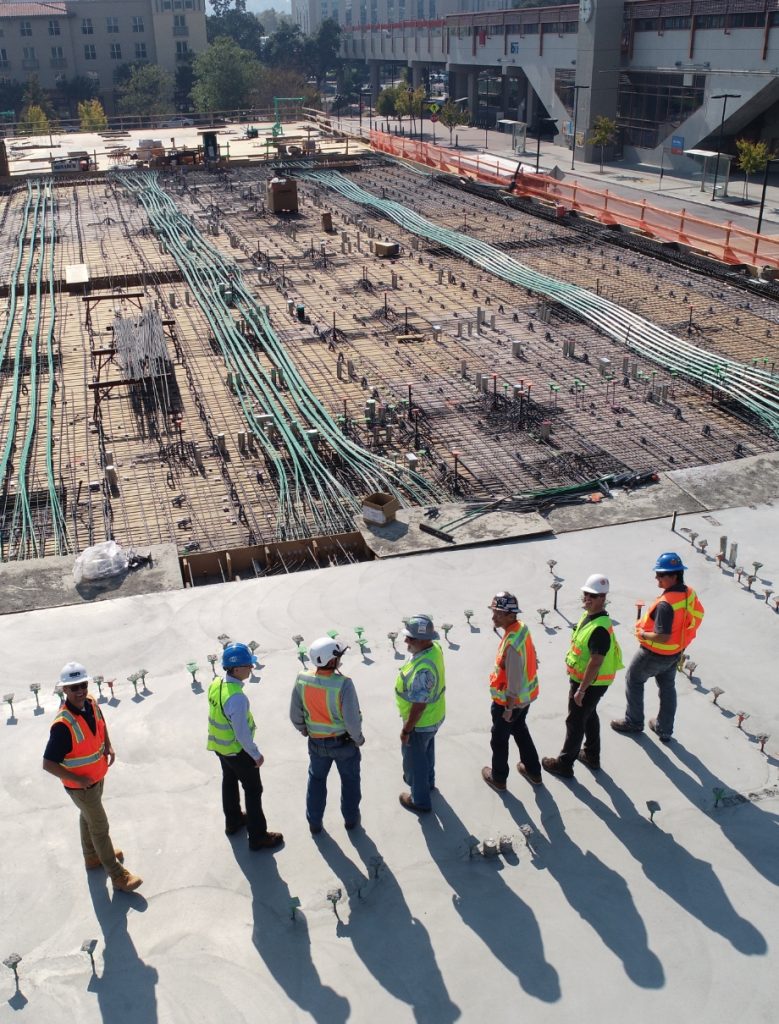
Knowledge Gap: Civils Construction Management
Challenge
An M&E-focused, private equity-backed contractor had secured the largest stretch-contract in its history for a pharmaceutical client.
Its established expertise centred on clean-room environments, high-specification internal pipework, HVAC and electronics. However, the contract also included a car park enabling phase and a £60m steel-frame facility extension, requiring specialist civils construction management and compliance with demanding quality and Inspection and Test Plan (ITP) requirements.
The contractor needed to deliver this unfamiliar scope without compromising the wider project programme or its existing commitments.
Scope
Magnus provided an output-measured Construction Management team, taking responsibility for coordinating and managing the civils works, including:
- Procurement and coordination of subcontractors.
- Programme development, sequencing and resequencing of works.
- Installation surveys and validation.
- Design coordination.
- ITP compliance and O&M documentation.
- Downward commercial and payment control.
Value
Magnus provided the specialist civils expertise to manage an unfamiliar construction scope and maintain control of its delivery.
When nesting birds restricted planned site activities, Magnus developed alternative work sequences, coordinating other activities to minimise disruption and maintain progress across the wider programme.
Rather than simply providing additional management resource, Magnus brought the technical and construction management capability needed to resolve delivery challenges, adapt the programme and protect continuity.
Construction Managment Case Study
Capacity & Capability Gap: X6 Early Completion Bonus
Under a time-based commercial arrangement, there was little incentive for Magnus to complete its own elements of the works ahead of programme. Magnus developed and facilitated the X6 Early Completion Bonus, linking reward to the achievement of defined delivery objectives within its control and aligning its performance with the principal contractor’s programme requirements.
The initiative contributed to over £200k in preliminaries savings and helped secure a negotiated, single-source appointment for the second phase.
Case Study X6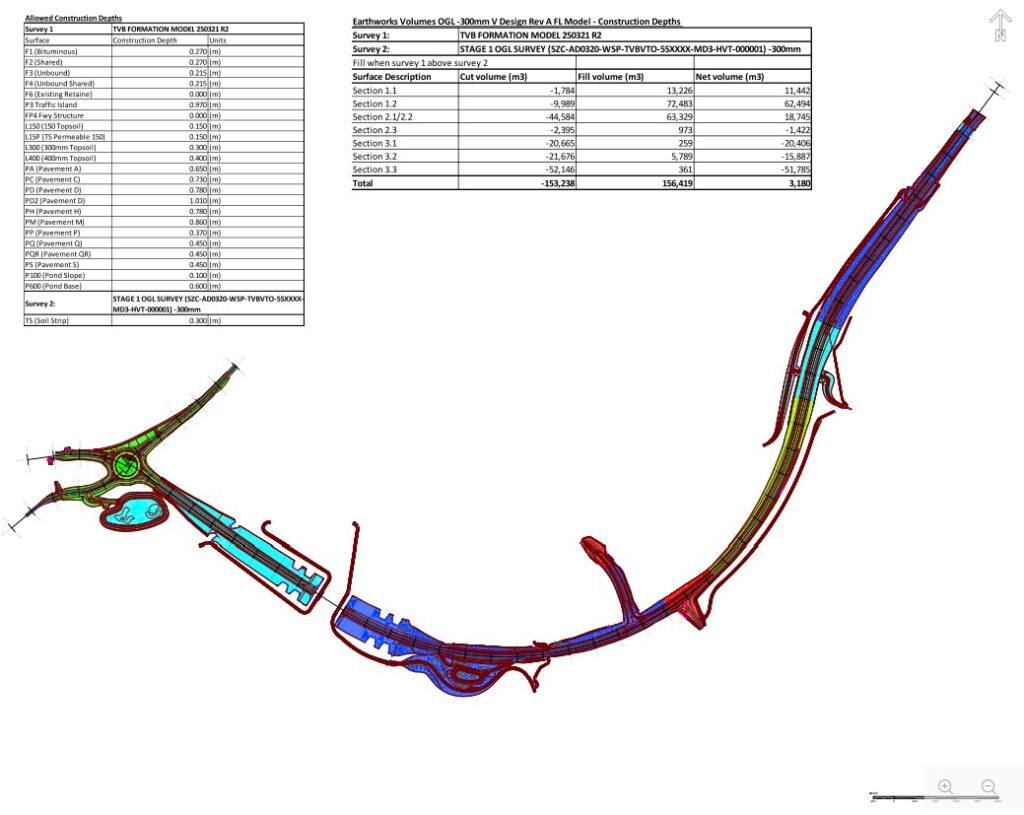
Knowledge Gap: Tender Volume Validation
Challenge
Tender quantities contained discrepancies that exposed the contractor to the risk of underpricing the works and absorbing costs that had not been properly accounted for.
Scope
Magnus independently validated the tender quantities against the available drawings and project information, identifying and correcting discrepancies before the contractor committed to the works.
Value
Magnus identified a potentially significant commercial exposure before the contractor committed to the works. The project subsequently returned to tender, making the corrected quanities particularly important in avoiding an inherited pricing error.
3D Model Validations
Capacity Gap: Yorkshire Water Design Management

Capability Gap: Engineering Mentorship
Challenge
A privately owned large contractor needed a structured site-engineering programme for Trainee, Assistant and Project Engineers. The aim was a consistent standard of competence, gaps closed and future internal mentors developed. Setting-out errors can cause non-conformance, delay and avoidable cost.
Scope
Define the standard: use the client’s Engineering Competency Assessment as the benchmark, with a focus on site engineering and temporary works. Baseline each engineer: self-assessment, an independent technical interview and a gap analysis, followed by a report recommending targeted training modules. Embed in live delivery and report back Head of Engineering.
Value
A defined development population and clear accountability. A repeatable assessment method that feeds individual development plans. Project-based learning on live setting-out and quality work. A route to sustainable internal capability and future mentors.
Engineering Mentorship Case Study